The short version
- End your ceremony 60 to 90 minutes before sunset. That single decision determines your entire golden hour window.
- A first look is a timeline tool: it buys 60 or more minutes of portrait time before the ceremony begins.
- Cap family formals at 30 minutes with a pre-made shot list. Overrunning this window always costs you golden hour.
- Slip away for 15 to 20 minutes during the reception for golden hour portraits. Tell your guests in advance and they will cheer you off.
- When your photo and film team is the same crew, timeline compression becomes an advantage rather than a problem.
Why Your Timeline Is a Creative Document
Couples spend months choosing florals, tasting menus, and refining invitation suites. The wedding day timeline gets a spreadsheet and an afterthought. It is, in practice, the single most consequential document your photos and film rest upon.
A timeline built around light, travel time, and the natural rhythm of the day will yield images that feel alive. A timeline built around convenience will yield images that feel rushed. The difference is rarely about your photographer's talent. It is almost always about the structure you gave them to work within.
This guide walks through every window of the day, with specific time allocations, the logic behind each one, and the California variables that change the math across Los Angeles, Malibu, Santa Barbara, the Central Coast, and Temecula wine country.
Start With Sunset, Build Backward
The most useful move you can make before choosing a ceremony start time is to look up your venue's exact sunset time on your wedding date. Apps like The Photographer's Ephemeris and SunCalc plot the precise minute to your venue's coordinates. Build your entire wedding day timeline from that number backward.
Golden hour, the warm amber window when the sun sits low on the horizon and casts long horizontal light, lasts between twenty and forty minutes in practice. It begins roughly thirty to forty-five minutes before the sun fully sets. In a California summer, that window may arrive at 7:30 PM or later. In December, it can fall before 4:30 PM, which means a 3:00 PM ceremony places you at the altar in flat midday light and delivers you to cocktail hour just as the sky turns gold without you.
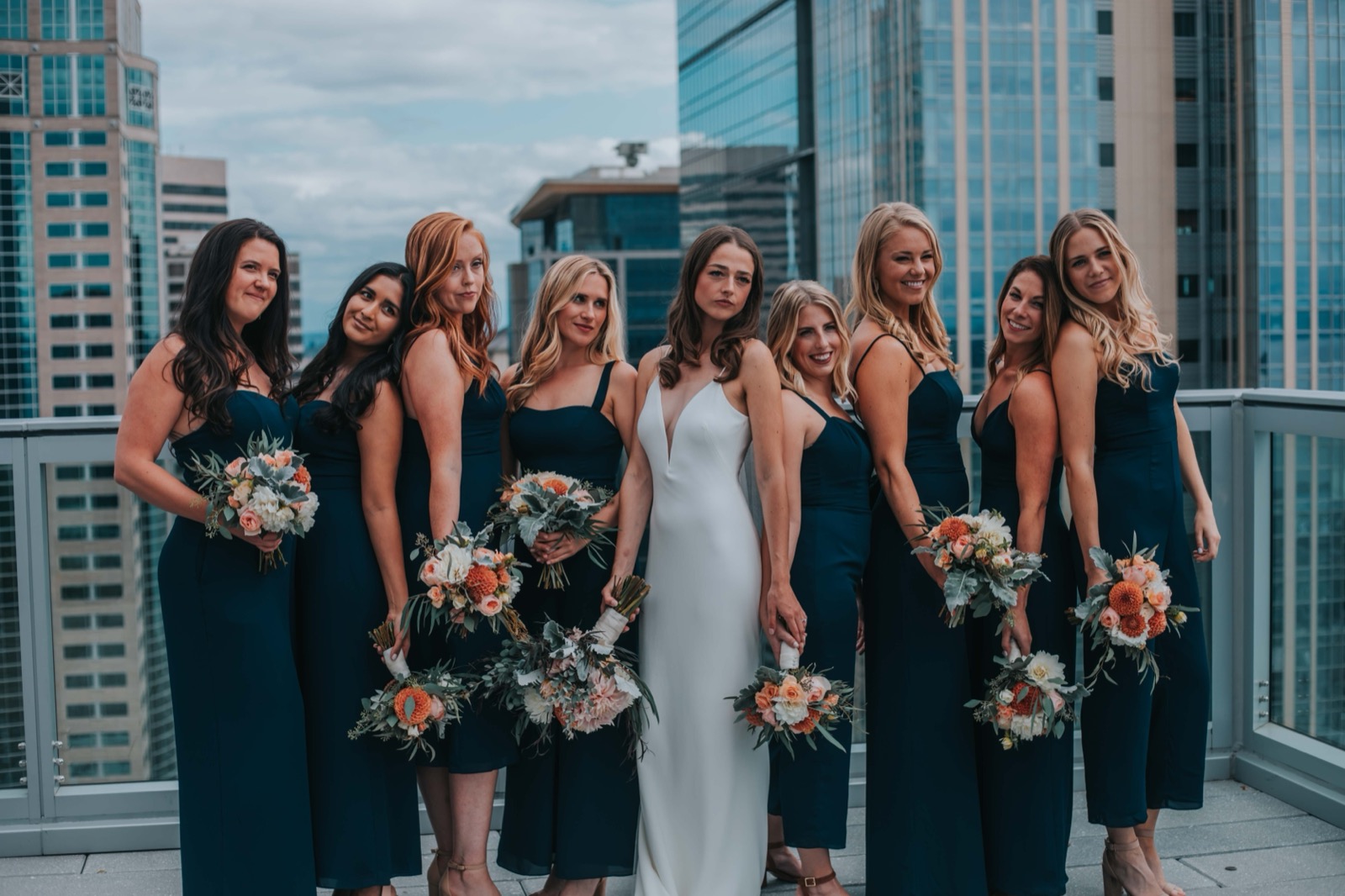
The ideal structure for a golden hour wedding timeline: your ceremony concludes sixty to ninety minutes before sunset. Family formals wrap in thirty minutes. Couple portraits begin exactly as the light softens. This is the sequence every strong wedding photography timeline is designed around.
Southern California gives you exceptional backdrops for this. Cielo Farms in Malibu, with its west-facing vineyard slopes, catches that horizontal light directly on the vine rows as the sun drops toward the Pacific. Eberle Winery in Paso Robles sets portraits against the rolling oak hills of the Central Coast. Dos Pueblos Orchid Farm in Goleta frames the Channel Islands in the distance at the last light. These are not incidental details. They are the visual language your film will return to in slow motion.
The Wedding Photography Timeline, Hour by Hour
Below is a working template built around a 4:00 PM ceremony and a 7:30 PM sunset. Adjust all times based on your own sunset window. The proportions hold regardless of season or venue.
Getting Ready (10:00 AM to 1:30 PM)
Allow more time here than feels necessary. A ninety-minute getting-ready window seems generous until hair runs long, a button breaks, or someone is not yet dressed when the photographer arrives. Budget a full two hours of coverage. This window also produces some of the quietest and most beautiful images of the day: the dress hanging in window light, hands clasped before the veil goes on, a still moment between a parent and child before everything begins.
First Look or Pre-Ceremony Portraits (1:30 PM to 2:30 PM)
If you are doing a first look, place it here. The light in early afternoon is workable with the right positioning: open shade under oak trees, a north-facing building facade, the interior of a barn or estate room. This window also allows time for most wedding party portraits before the ceremony, dramatically freeing up the post-ceremony schedule for portraits that actually matter.
Ceremony (4:00 PM to 4:45 PM)
A thirty-five to forty-five minute ceremony is standard at most California venues. Your film team will position audio capture at multiple points around the space. Share vow readers and song selections in advance so they can anticipate every turning moment rather than react to it after the fact.
Family Formals (4:45 PM to 5:15 PM)
Cap family formals at thirty minutes. Prepare a shot list of no more than fifteen groupings, ordered from largest to smallest. Assign a family wrangler who knows every group by name. This is the single easiest way to protect the rest of the wedding photography timeline from compression.
Cocktail Hour and Couple Portraits (5:15 PM to 6:45 PM)
This ninety-minute window is the engine of the day. While guests settle into drinks and appetizers, you have time for relaxed, unhurried couple portraits in open shade. Around the forty-five-minute mark, the light begins to shift. Save the final fifteen to twenty minutes of this window for more open, expansive shots as the sky descends toward golden.
Golden Hour Escape (6:45 PM to 7:20 PM)
Slip away from the reception for fifteen to twenty minutes. Tell your guests in advance and they will send you off with a glass raised. This window is what your film will return to in the final cut. The golden hour wedding timeline is not a full hour. It is a contained, intentional window, and protecting it changes the entire character of your gallery and your film.
Reception (7:30 PM onward)
First dances, toasts, dinner, and dancing follow. Coordinate with your DJ or band on the precise order so your film team can set audio before speeches begin. Your photographer and cinematographer continue through the cake cut and deep into the night.
First Look vs. Aisle Reveal: The Real Timeline Tradeoff
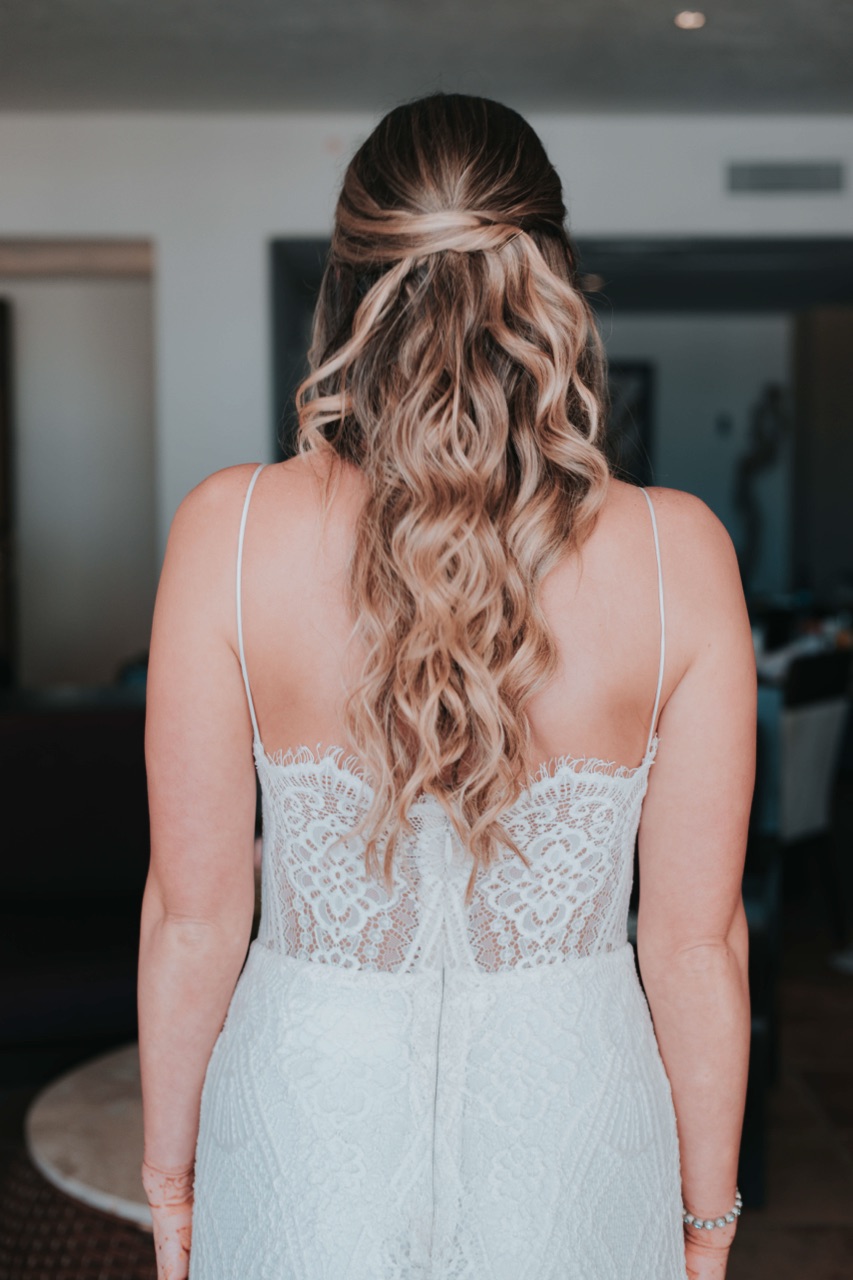
The debate is usually framed around emotion. The timeline reality is more practical: a first look buys sixty to ninety minutes of portrait time before the ceremony that cannot be recovered any other way.
Without a first look, all couple portraits, wedding party portraits, and venue detail shots must fit into the compressed window between the ceremony and dinner. At venues with long distances between spaces, the terraced gardens of a Central Coast estate or the cliff paths above a Malibu vineyard, that compression becomes a logistics problem with no elegant solution.
A traditional aisle reveal is a beautiful choice and the right one for many couples. It requires a tighter post-ceremony schedule and, often, a longer gap between ceremony and dinner. Build that time in honestly and the reveal loses nothing. Trim the gap to save money on venue hours and you will feel it in the gallery.
The Hidden Time Drains Every Timeline Must Account For
- Travel between locations. At a Temecula wine estate or a venue like Rancho Las Lomas in the Orange County foothills, the walk from ceremony lawn to portrait overlook can be twelve minutes each way. Map it before the day and build it into the schedule explicitly.
- Gathering the wedding party. Budget five to eight minutes to find and reassemble ten people anywhere on a venue property. It is not pessimism. It is physics.
- Emotional pauses. A quiet moment between a couple before the first look should not be rushed. Leave a ten-minute unscheduled buffer around it and protect that space from vendors and coordinators alike.
- Vendor setup delays. If florals, rentals, or the cake are still being placed when portraits begin, you lose location access. Confirm load-in times with every vendor at the final venue walkthrough.
- The cocktail hour exit. Guests will try to greet you the moment the ceremony ends. Assign someone to run gentle interference so the portrait window actually stays intact.
What the Cinema Team Needs From Your Timeline
A wedding film requires audio in a way photography does not. Share your vow text, the names of every toast speaker, and the song selections for every processional and first dance at least two weeks before the wedding. Your film team will place discreet lavalier microphones on both of you before the ceremony; build five minutes into the timeline for that placement before the processional begins.
When one team covers both photo and film, as Golden Glow does, the advantage shows in the timeline itself. There is no competition for position at the altar, no miscommunication about when to move locations, and no gap in coverage when the couple steps away for golden hour. The photographer and cinematographer are reading the same room, working the same moments, and the result is continuous rather than merely coordinated.
Your sneak-peek reel, delivered within the first week after the wedding, draws from the day's most cinematic windows: the getting-ready details, the ceremony reveal, the golden hour portraits, and the first dance. Give those windows room to breathe in the timeline and the film will reflect it clearly. Full gallery and film delivery follows in six to eight weeks.
How California Venues Shape Your Wedding Photography Timeline
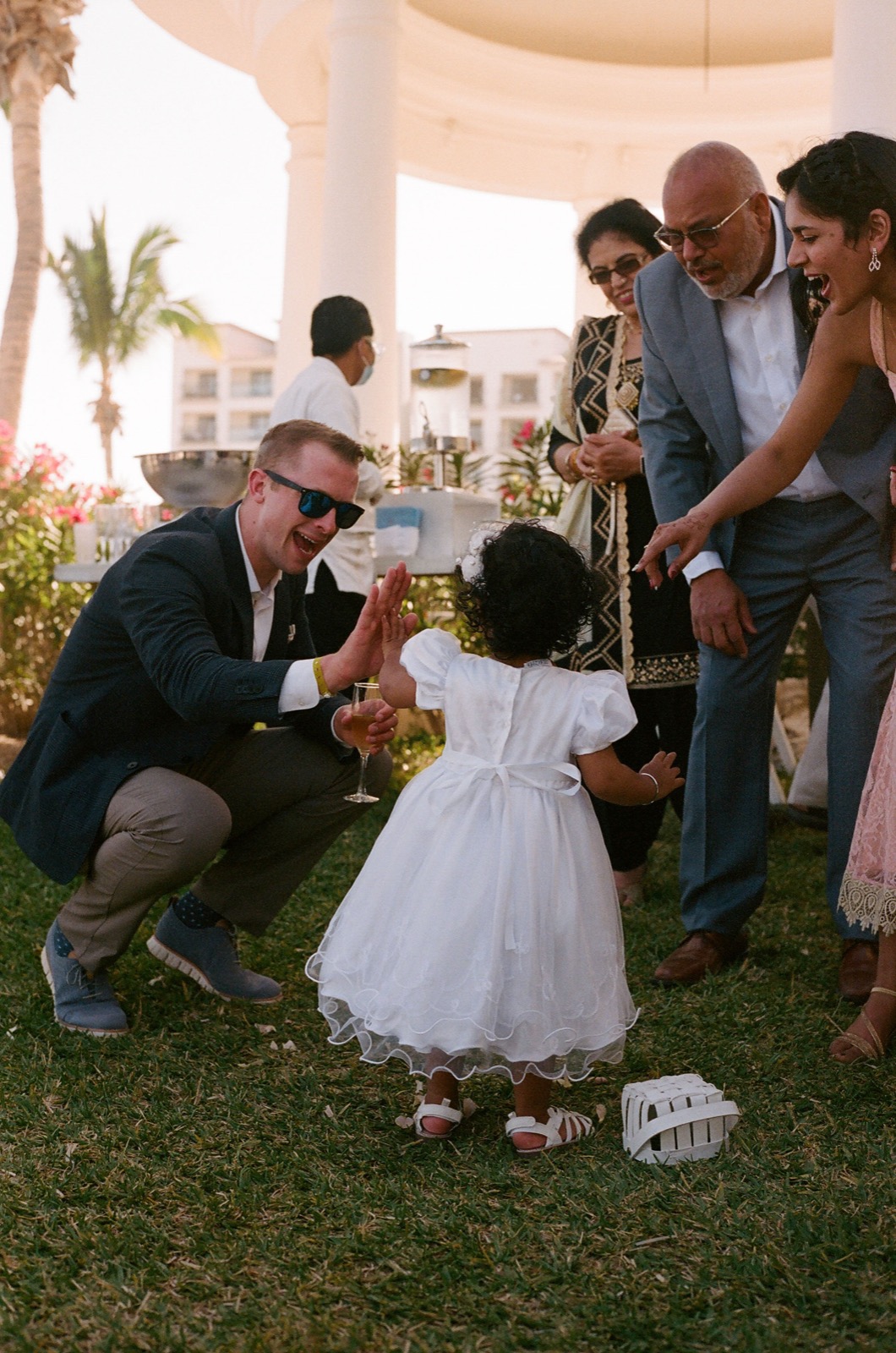
A ballroom wedding in downtown Los Angeles is a different timing exercise than an outdoor ceremony in Temecula. Understanding what your venue asks of the timeline before you lock it is essential.
Malibu estates and coastal venues like Cielo Farms, where site fees run from $18,500 to $22,500 depending on the day, carry the Pacific as a backdrop but also carry the marine layer. Fog can diffuse golden hour entirely, replacing it with a soft, even silver light that is beautiful in its own register. Build a contingency for covered portrait areas and discuss it with your photography team before the day.
Temecula wine country offers east-facing vineyards ideal for morning and midday ceremonies, with warm, unobstructed western light for late-afternoon ones. Venue site fees in Temecula typically run from $13,000 to $30,000, and many all-inclusive packages include event coordination that simplifies timeline management considerably.
Santa Barbara and the Central Coast are among the most photogenic corridors in California for natural light. Dos Pueblos Orchid Farm in Goleta places the Channel Islands in the distance at the last light of the day. The vineyard venues of Paso Robles and Santa Ynez photograph beautifully in nearly any season, though summer ceremonies ending at 5:00 PM will not reach golden hour until 7:15 or later.
Indoor Los Angeles venues, including historic estates and converted spaces in the downtown core, depend on supplemental lighting after dark. Front-load all natural-light portraits before the ceremony or in a brief outdoor window during cocktail hour. The wedding photography timeline at an indoor venue is most forgiving when the couple builds in at least thirty minutes of exterior time earlier in the day.
Share your date and venue and we will build a timeline around the light together.
Photo and film, one team, across Southern and Central California. Share your date and we will send your full pricing guide within 48 hours.
Start your inquiryNot sure where to start? Take the 2-minute readiness check·Short notice? Same-day answer