The short version
- Most Southern California weddings need 8 to 10 hours of wedding photography coverage.
- Elopements and intimate ceremonies with under 50 guests can be told beautifully in 4 to 6 hours.
- Getting-ready coverage alone takes 1.5 to 2 hours, budget for it from the start.
- Separate ceremony and reception venues add 30 to 60 minutes of transit most couples forget to account for.
- Booking photo and film with one team saves portrait time and delivers a more cohesive visual story.
Why the Standard Package Is a Starting Point, Not an Answer
Eight hours became the industry default because it fits a particular shape of wedding: ceremony and reception at the same location, with coverage running from getting-ready portraits through the first dance. For many Southern California weddings, that shape holds. But California weddings are not one shape.
A morning ceremony at San Ysidro Ranch in Montecito follows a different rhythm than an evening celebration at Calamigos Ranch in Malibu. An intimate beachfront exchange at the Malibu West Beach Club takes a different amount of time than a formal ballroom wedding at Montage Laguna Beach. How much wedding photography coverage you actually need depends on the specific sequence of your day, not on an industry average.
The most useful exercise is building your wedding day timeline photography schedule first and then counting the hours. What you find will tell you exactly what to book.
Your Wedding Day by the Hour: What the Clock Actually Looks Like
Here is what a typical 10-hour Southern California wedding day looks like from a photographer's perspective:
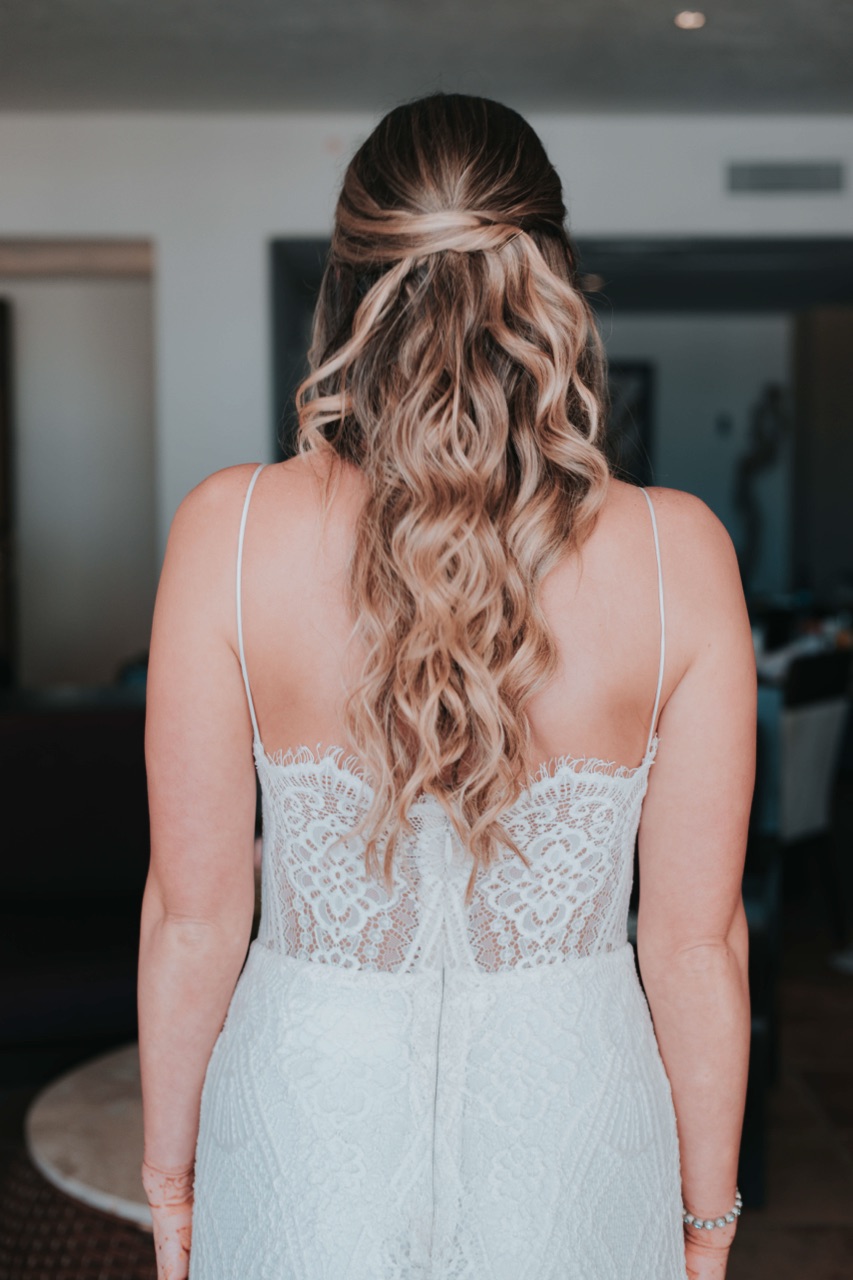
- Getting ready (1.5 to 2 hours): Dress details, ring shots, bridesmaids portraits, and the moment you see yourself finished. The partner's prep tends to run shorter but deserves at least 30 to 45 minutes of its own coverage.
- First look and couples portraits (45 to 60 minutes): Your best window before the ceremony, when both of you are composed and the light is predictable.
- Ceremony (30 minutes to 1.5 hours): Civil ceremonies run shorter. Catholic and Jewish ceremonies often run longer. Account for processional and recessional time in your estimate.
- Family formals (30 to 45 minutes): The number of groupings is the biggest variable here. Ten groupings take about 20 minutes; 25 groupings can take 45.
- Golden-hour portraits (20 to 30 minutes): One of the most important windows of the entire day. Protect this time in your timeline no matter what.
- Reception coverage (2.5 to 4 hours): Entrance, first dance, parent dances, toasts, cake cutting, open dancing, and send-off all live here.
Add those blocks together and you are already near 8 hours before travel, cocktail hour, or any delays. This is why 8 hours is a floor for most full weddings, not a ceiling.
Four to Six Hours: When This Coverage Window Actually Works
An elopement or micro-wedding with 20 to 40 guests and a single location can be photographed beautifully in 4 to 6 hours. This window typically covers a styled getting-ready moment, an outdoor ceremony, a couples portrait session, and a small dinner or celebration.
Some of the most compelling wedding photography comes from these smaller days. Without a full reception and a long family formal list, a photographer can move fluidly with you through the day. The images tend to have a stillness and intention that larger weddings sometimes struggle to hold.
California venues that work especially well at this scale include the garden courtyards at San Ysidro Ranch in Montecito, the clifftop platform at Malibu Rocky Oaks, and the ceremony spaces at Ojai Valley Inn. A 4-hour package generally covers ceremony through sunset portraits. Six hours adds getting-ready coverage and a short reception or dinner at the end.
Golden Glow's Elopement Collection, starting at $2,700, is built around this coverage window and includes both photo and film from a single integrated team.
Eight Hours: The Realistic Minimum for a Full Wedding Day
For most full weddings in Southern and Central California, 8 hours of wedding photography is the minimum that delivers a complete visual story. It covers getting ready through the first dance, with enough room for family formals and a golden-hour couples portrait session if the timeline holds.
What 8 hours typically does not include: a send-off, extended open dancing, or a late reception exit. If your reception runs past 9 or 10 p.m. and the send-off matters to you, plan for either 10 hours or a contract that allows additional coverage by the hour. In Southern California, most experienced photographers charge $300 to $500 per additional hour beyond the contracted package.
Golden Glow's Day Of Collection starts at $4,900 and was built for this window: a full wedding day with ceremony and reception, photo and film together, and a sneak-peek gallery delivered within one week. It is the most common booking for couples celebrating at venues like Calamigos Ranch, the Malibu West Beach Club, and properties along the Santa Barbara coast.
Ten Hours and Beyond: When You Need the Full Day
Some weddings cannot be told in 8 hours. Plan for 10 or more when any of the following are true for your day:
- Your ceremony and reception are at separate venues more than 20 minutes apart
- You have more than 150 guests and a formal portrait list of 20 or more groupings
- You want a second portrait location, such as a beach or vineyard separate from your venue
- Your reception includes a late-night exit, sparkler send-off, or a fireworks moment
- Your ceremony includes a full Catholic mass or a multi-hour cultural ritual
The Full Wedding Collection at Golden Glow, starting at $7,500, typically covers 8 to 10 hours with photo and film captured by a single team. The Forever Collection at $12,000 is built for expanded days with multiple locations, extended coverage, and a full cinematic film delivered alongside the complete photo gallery.
The Variable Most Couples Forget: Travel Between Venues
This is where couples most consistently underestimate how much wedding coverage they need. In Los Angeles especially, geography matters in ways that are easy to overlook during the planning stage. If your ceremony is in West Hollywood and your reception is in Santa Monica, that is 45 minutes of transit on a Saturday evening. If your portrait session takes you to a secondary location and your venue is across town, that round-trip eats directly into your booked hours.
The same math applies along the Central Coast. A ceremony in Paso Robles wine country followed by a reception at a vineyard 15 minutes away sounds efficient, but moving 120 guests while the couple slips away for portraits can consume a full hour that was never on the original schedule.
A practical rule: if your ceremony and reception are at separate addresses, add one hour to whatever coverage window you were planning to book. If both venues require significant driving, add 1.5 hours and plan the portrait timing around the transit, not the other way around.
What Changes When Photo and Film Share One Team
One detail that reshapes the entire coverage calculation is whether your photographer and videographer operate as the same team or as two separate vendors. When they work independently, they each negotiate for your time. The photographer needs 20 minutes for couples portraits. So does the videographer. You end up spending double the time on coverage that could have overlapped completely.
When one team captures both, a two-hour portrait window yields a full photo gallery and all the cinematic footage needed for your wedding film. The day moves faster. You have more time with your guests. The images carry a visual consistency that is genuinely difficult to achieve when two teams with different aesthetics and different lighting setups are working alongside each other.
Golden Glow operates as a single integrated team across every collection. Photo and film are not two packages assembled together. They are one editorial vision captured simultaneously and delivered as a complete story: a sneak-peek gallery within one week and your full gallery within 6 to 8 weeks of your wedding day.
Tell us about your day and we will help you build a timeline that protects every moment.
Photo and film, one team, across Southern and Central California. Share your date and we will send your full pricing guide within 48 hours.
Start your inquiryNot sure where to start? Take the 2-minute readiness check·Short notice? Same-day answer