The short version
- Awkward wedding photos are usually a prompting problem, not a you problem. Movement and tasks beat frozen poses every time.
- An engagement session is the single best low stakes way to practice being photographed before the wedding day itself.
- Ask any photographer you're considering how they work with camera shy couples specifically, and look at their portfolio for real laughter, not held smiles.
- California full day wedding photography typically runs $2,500 to $8,000 in 2026, with team size, hours, and video changing the range.
- A single team shooting both photo and film means fewer resets and fewer chances for you to go stiff between setups.
You're Not the Problem. Bad Direction Is.
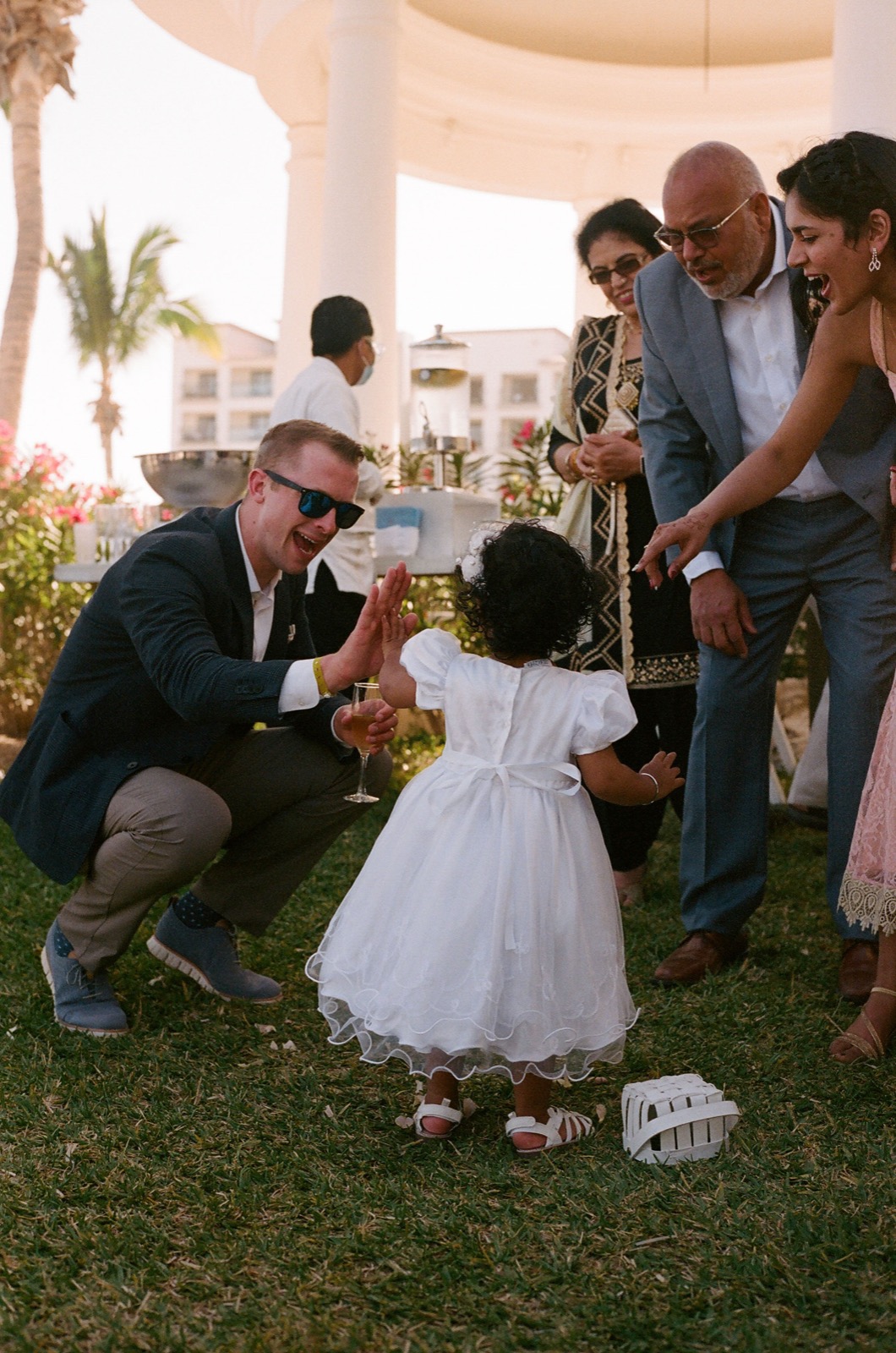
Almost every couple who tells us they hate being photographed has the same story. Someone pointed a camera at them and said something like "just be yourselves" or "okay, look natural now." That is not direction. It is a blank page handed to someone who did not ask to write anything, and the result is a stiff, self conscious grin that looks nothing like either of you.
Feeling awkward in front of a camera is one of the most common things couples tell us before their wedding, right up there with worrying about the weather. It is worth saying plainly: the fix is not on your end. A photographer who cannot get a genuine reaction out of two people in love has not built a system for it yet. That system, not your personality, is what actually produces natural wedding photos.
What Actually Makes a Wedding Photo Look Natural
Natural photos almost never come from a couple standing still and being told to relax. They come from movement, from tasks, and from someone else's attention being pulled off the lens entirely. A few things separate a photo that feels alive from one that feels frozen:
- Walking beats standing. A couple in motion, even just strolling down a path, reads as candid because their bodies are doing something other than posing.
- Talking beats posing. Ask a couple to tell each other about their first date instead of asking them to smile, and the smile that shows up is the real one.
- Distance changes everything. A longer lens from twenty feet away lets a couple forget the camera is even there, which is the opposite of a lens six inches from your face.
- Short bursts beat long holds. Ten seconds of a real prompt photographs better than ninety seconds of holding a pose while your face gets tired.
This is the actual answer to "how do I stop looking awkward in photos." It has almost nothing to do with your face and almost everything to do with what you're asked to do with your body and attention in that moment.
Choosing a Photographer When You Genuinely Dread the Camera
If you already know you're camera shy, say so out loud in your very first consultation call. A good studio will not brush past it. They should have a real answer about how they handle it, not a generic "don't worry, everyone says that."
When you're reviewing portfolios, look past the pretty light and check for this instead: are people laughing with their eyes, or holding a smile with their mouth? Are hands doing something, or hanging stiffly at sides? Real studios build entire galleries around movement and reaction, and it shows the moment you know what to look for.
It also matters whether photo and film are being handled by one coordinated team or two separate crews who don't know each other's rhythm. Every time you have to reset for a second crew, a shy couple tenses up again. One team, one flow, and one set of prompts means far fewer of those resets over the course of the day.
Before the Wedding: Small Steps That Make a Real Difference
You do not need to become a different person by your wedding day. You need a few low stakes reps.
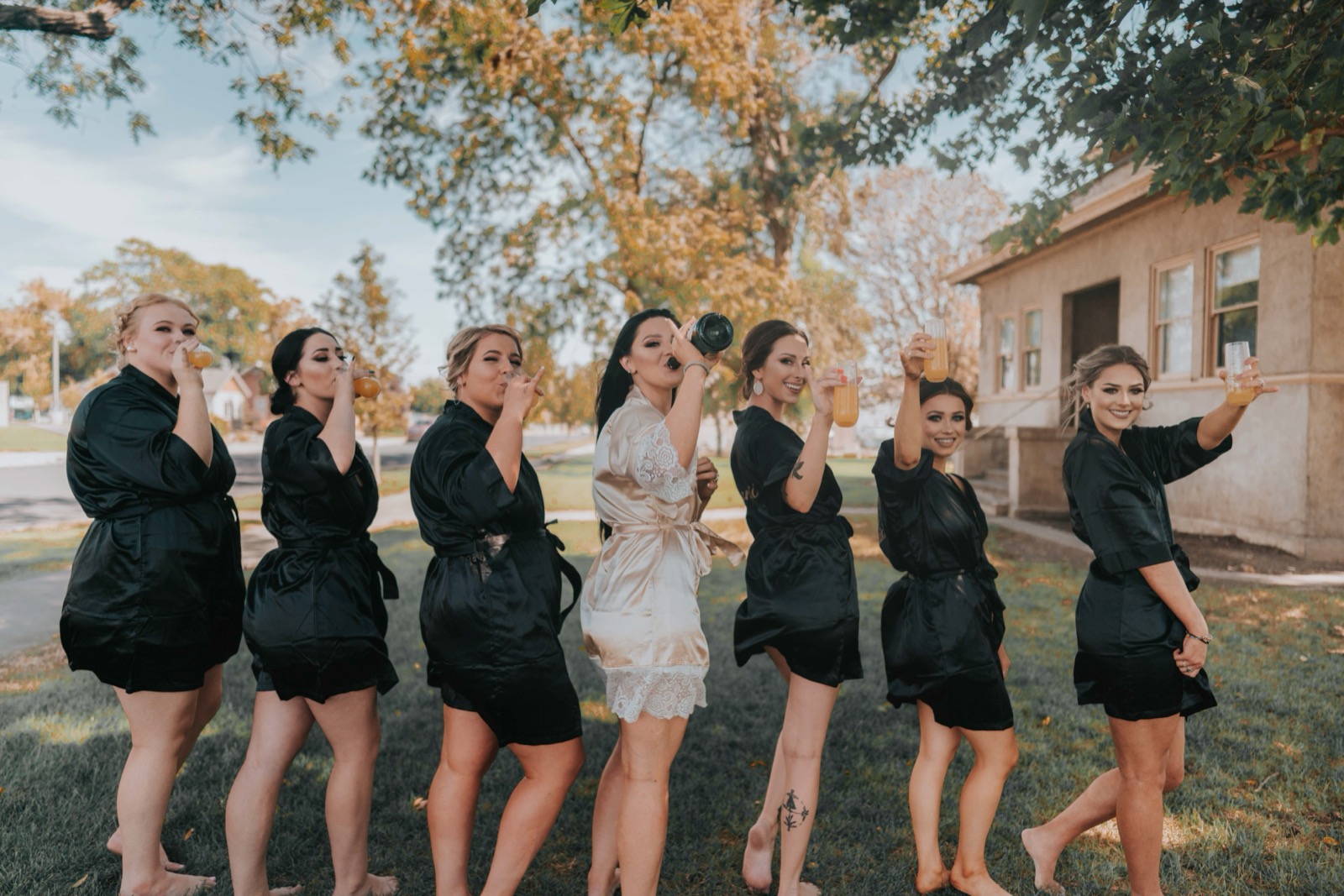
- Book the engagement session. This is the single most useful tool a camera shy couple has, and it exists for exactly this reason. It's a real practice round, with real feedback from an actual photographer, months before the day it counts. Golden Glow's engagement sessions start at $550 and we treat them as a rehearsal, not just a content grab for save the dates.
- Agree on a private cue with your partner. Something small, a squeeze of the hand or a specific joke, that only the two of you know is a signal to actually crack up. It works better than you'd think.
- Practice at home with your phone. Five minutes of your partner casually filming you doing something ordinary, laughing at a show, cooking together, is more useful rehearsal than any mirror pep talk.
- Let your photographer know ahead of time. Tell them directly that posed portraits make you tense up. A studio that's done this before will simply shift the plan toward movement and prompts instead of static setups.
How We Actually Work With Camera Shy Couples
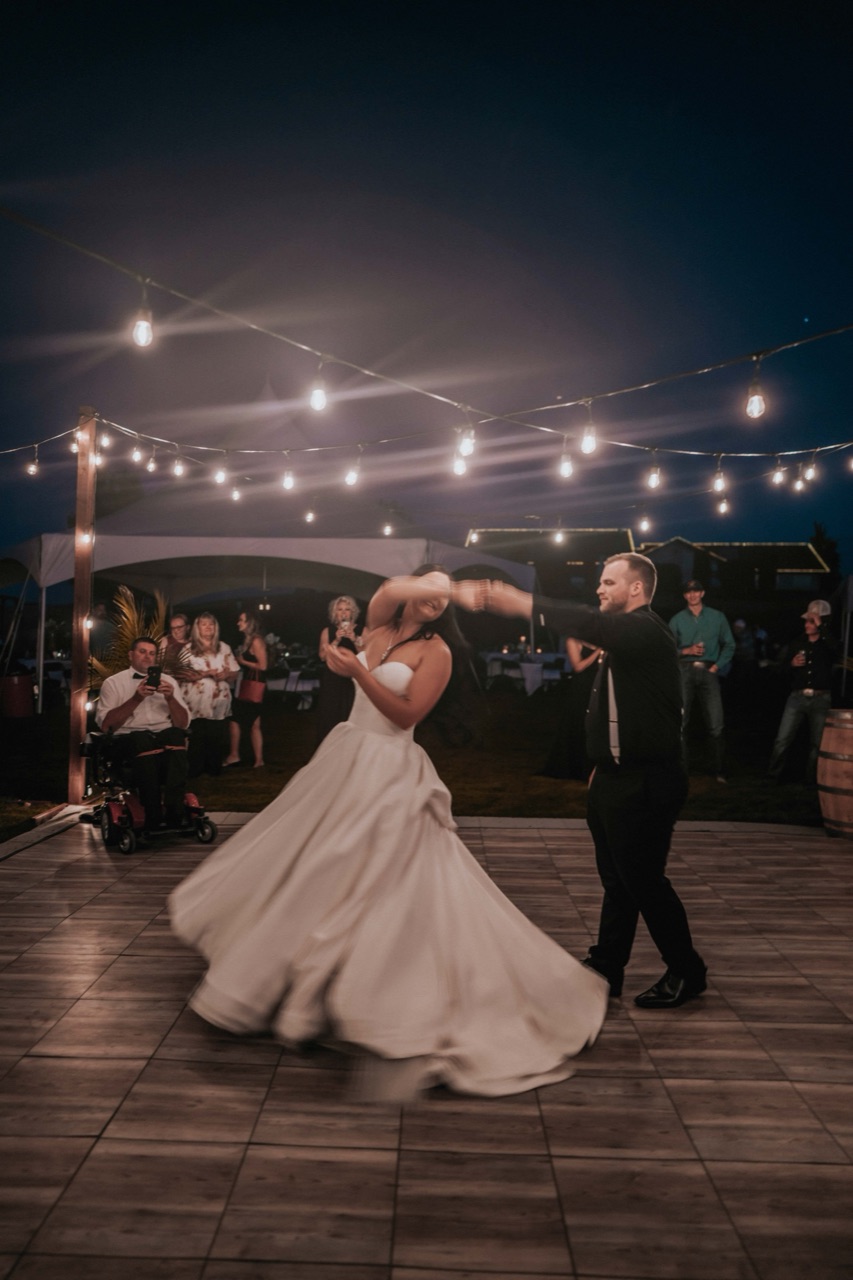
We build our whole approach around one idea: the best reaction is the one you didn't have time to think about. That means we give you something to do, not something to perform. A slow dance with no music playing. A whispered secret. A walk back toward the ceremony space while we hang back with a longer lens. None of it looks like a pose because none of it is one.
Because one team shoots both your photos and your film, you're never resetting for two different crews with two different sets of instructions. You get a single, continuous flow through the day, which for a camera shy couple matters more than almost anything else we can offer. Fewer interruptions means fewer chances to remember you're being photographed at all.
We also keep formal portrait time short on purpose. Twenty to thirty focused minutes during golden hour, built around a few genuine prompts, produces more usable images than an hour of static posing ever does.
The Portrait Session Itself: Timing, Setting, and What It Feels Like
Golden hour, the stretch of soft light roughly an hour before sunset, is when most of your formal couple portraits happen, and it is not a coincidence that it's also when couples relax the most. The light is forgiving, the ceremony stress is behind you, and there's finally a quiet minute alone with your partner.
A well run session in this window moves fast: a few minutes of walking and talking, a few minutes of a genuine private moment between just the two of you while your photographer works quietly from a distance, and you're done. The rest of your day, the reception toasts, the dance floor, the details on the tables, gets covered candidly without you having to think about a camera at all. For most camera shy couples, it's the unposed reception coverage that ends up being their favorite part of the whole gallery.
What This Actually Costs in California in 2026
Full day wedding photography across California generally runs $2,500 to $8,000 depending on your region, hours of coverage, team size, and whether film is bundled in, with most couples in Southern and Central California landing somewhere in the middle of that range. Combined photo and film coverage from one team tends to sit at the upper end of that spread because you're getting two deliverables built from a single day of work.
Golden Glow's collections are built around that reality, positioned as affordable luxury rather than either budget or ultra premium:
- Elopement, from $2,700, for intimate ceremonies and small guest counts.
- Day Of, from $4,900, for focused single day coverage.
- Full Wedding, from $7,500, our most booked collection for a complete ceremony and reception day.
- The Forever, from $12,000, for couples who want the most complete archive of the day, from getting ready through last dance.
- Engagement sessions, $550, standalone or added to any collection.
Every collection includes one team for both photo and film, a sneak peek gallery within a week of your wedding, and your full gallery delivered in six to eight weeks.
If you dread the camera and still want photos you'll actually love, we'd be glad to talk through how we'd shoot your day. Reach out to Golden Glow whenever you're ready.
Photo and film, one team, across Southern and Central California. Share your date and we will send your full pricing guide within 48 hours.
Start your inquiry