The short version
- Pick music for how it will feel in ten years, not how it feels on your engagement playlist right now
- Licensed, cleared tracks protect your film from copyright mutes on Instagram and Facebook and from takedowns later
- Instrumental or restrained-vocal songs tend to age better and support the visuals instead of competing with them
- Share a few reference songs and let your filmmaker match pacing and mood to your actual footage, rather than locking one song in months in advance
- Your reception song list and your wedding film soundtrack are two different decisions, and it helps to treat them that way
Why the music matters more than most couples expect
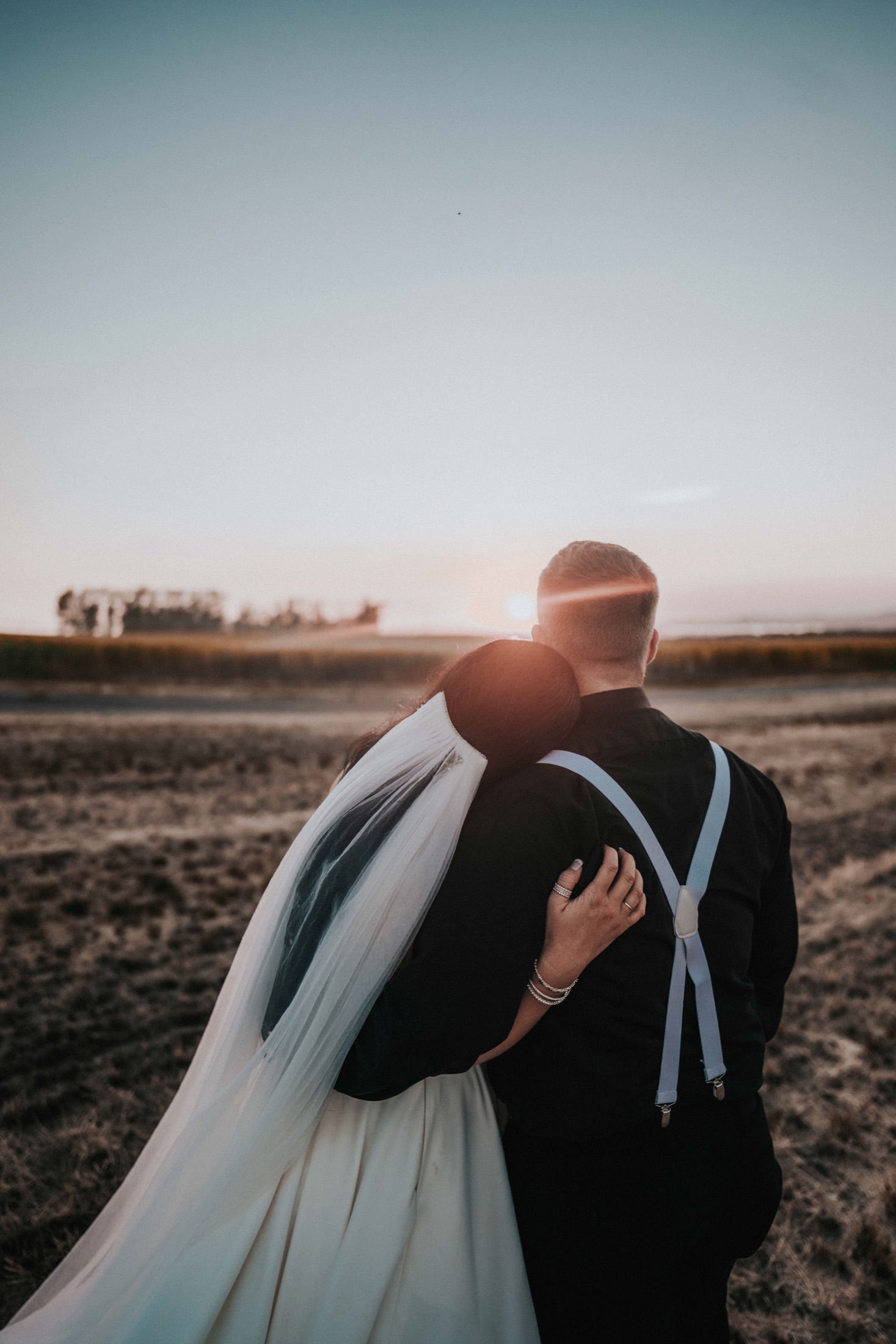
Couples spend months choosing a photographer and film team, comparing venues, and agonizing over a seating chart, then leave the wedding film music to whatever song feels right in the moment. It is worth flipping that order. Music is doing more emotional work in a wedding film than almost any other single choice, because it tells your guests how to feel before a single word is spoken on screen. The same footage of you walking down the aisle can read as tender, triumphant, or bittersweet depending entirely on what is playing underneath it.
A wedding video song choice also has a longer life than almost anything else from your day. You will watch your wedding film on anniversaries, show it to your kids one day, and revisit it at moments you cannot predict right now. The song needs to hold up to that kind of repeat viewing, which is a different bar than this makes me want to dance right now.
Start with a feeling, not a title
Before you name a single song, name the feeling you want your film to carry. Sweeping and cinematic? Quiet and intimate? Playful with a little grit? That one sentence will guide every music decision after it, and it is far more useful to a filmmaker than a Spotify link.
From there, it helps to bring reference tracks rather than a final decision. Two or three songs that capture the tone you love give your film team something to build around, whether that means the exact track, something in the same emotional register, or a piece from a licensed music library that lands in the same place without the legal complications of a chart hit.
- Bring songs from films or shows that made you feel something, not just songs you like
- Notice tempo as much as lyrics. A slow build often serves a wedding film better than a song that peaks in the first fifteen seconds
- Say the feeling out loud to your filmmaker. "Make it feel like the opening of that one movie" is genuinely useful direction
The licensing conversation nobody wants to have (but should)
Here is the part that surprises a lot of couples: you cannot simply drop your favorite Top 40 song into a wedding film and post it everywhere without consequence. Major platforms including Instagram and Facebook run automated audio matching on every upload, and a copyrighted track that is central to the video, rather than a few incidental seconds in the background, is a common trigger for a muted or restricted post. It has nothing to do with how much you love the song and everything to do with how rights holders manage where their music appears.
This is why most professional wedding filmmakers license music through catalogs built specifically for this purpose, sourced from libraries such as Musicbed, Marmoset, and Triple Scoop Music, which exist precisely because they clear film and social use up front. The upside for you is real: a cleared, licensed cinematic soundtrack means your film plays cleanly on every platform, holds up if you ever enter it in a competition or use a clip in a vow renewal down the road, and does not carry the quiet risk of a takedown five years from now.
At Golden Glow, our film team works from a curated, cleared music library so every wedding film soundtrack we deliver is built to hold up, on Instagram, at your rehearsal dinner slideshow, or anywhere else your film ends up living.
Timeless versus trendy: choosing a song that ages well
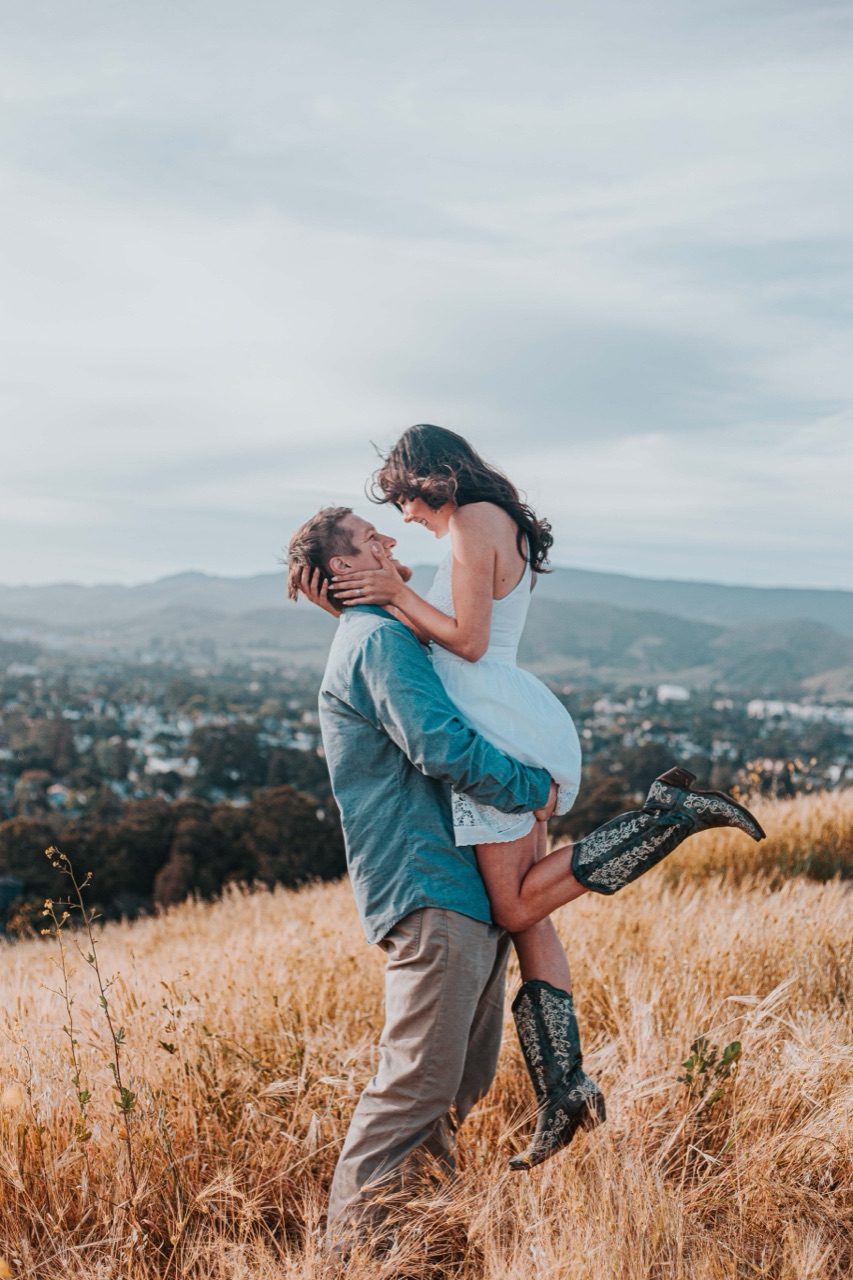
A song that is everywhere this year can feel dated shockingly fast. That does not mean you need something your grandparents would recognize, but it is worth asking whether a track will still move you in 2036 or whether it is riding a moment that will pass. Instrumental pieces, orchestral builds, and songs with restrained, timeless vocals tend to have the longest shelf life in a wedding film, because they support the images instead of dating them.
That said, personal meaning can outweigh timelessness, and it should. If a specific song genuinely tells your story, whether it played on your first date or was written by a family member, that context matters more than any general rule. The goal is simply to make that choice with your eyes open, knowing which trade-off you are making.
The best wedding film music disappears into the story. You should finish watching and remember how you felt, not which song was playing.
One song, or several? How pacing actually works
Most cinematic wedding films are not scored to a single song from start to finish. A highlight film in the four to seven minute range typically moves through two or three pieces of music, often shifting mood at natural turning points such as the transition from getting-ready and ceremony into the reception's energy. A longer documentary-style film may use more, ebbing and flowing with the day itself.
Trying to force one song to carry an entire film, especially a longer one, tends to flatten the pacing. Let your filmmaker suggest where the music should shift, since they are cutting to the actual rhythm of your footage rather than a song you chose in the abstract months before the wedding.
Your reception playlist is a separate decision
It is worth separating two things that get conflated constantly: the songs playing live at your reception, chosen with your DJ or band for your guests to dance to, and the wedding film music that scores your edited film afterward. They rarely need to match, and trying to force them to can box you into decisions that do not serve either one well.
Your first dance song, for example, might appear briefly in your film as source audio captured live in the room, which adds real authenticity. But the broader cinematic soundtrack layered over your ceremony, portraits, and toasts is usually a separate, deliberately chosen piece of music, selected for how it serves the edit rather than how it gets a room dancing.
What to actually do before your wedding day
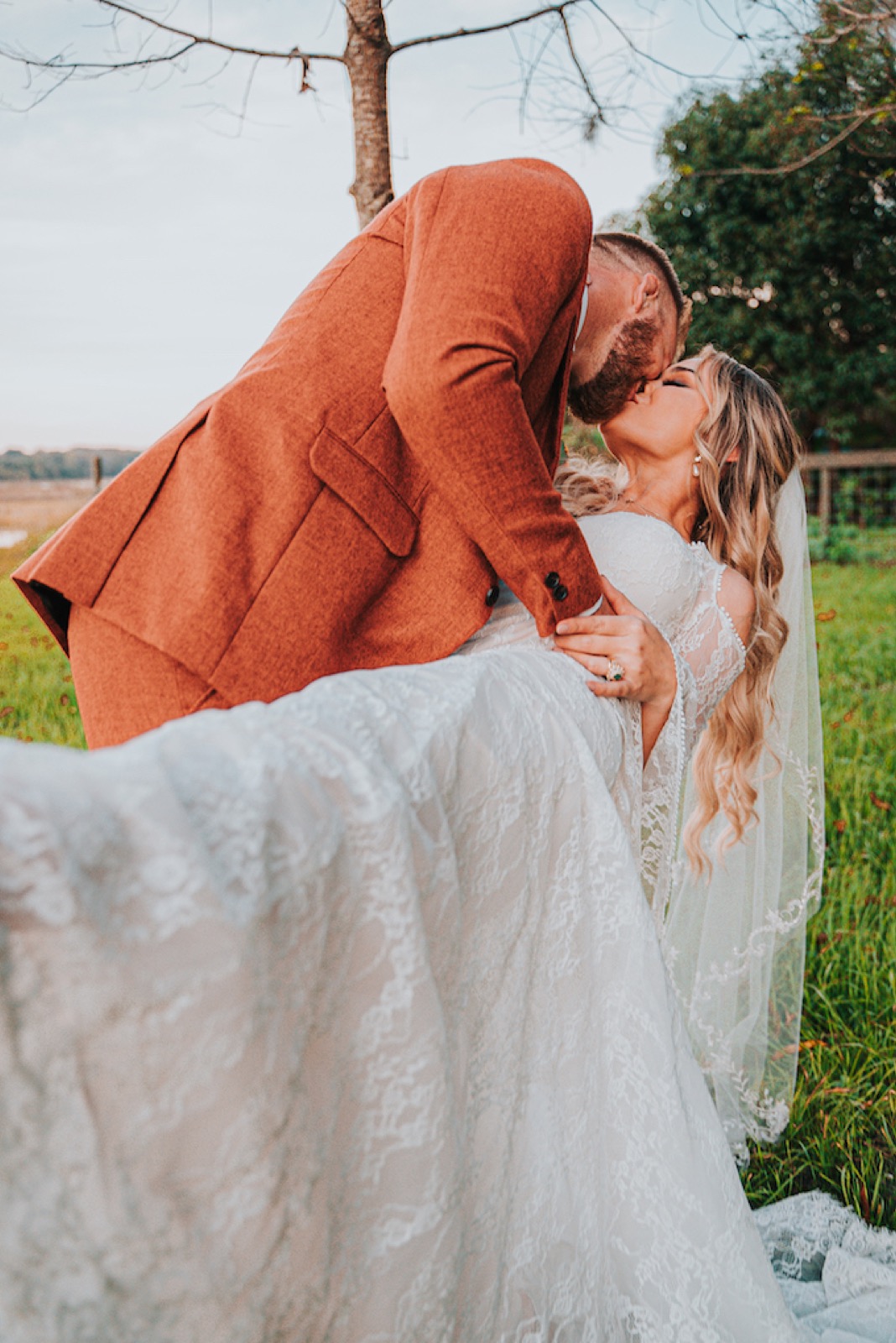
You do not need to lock in a final song months in advance, and in most cases you shouldn't, since the right music often becomes clearer once your filmmaker has seen your venue, your light, and a sense of your day's pacing. What helps most is preparation, not premature decisions.
- Build a short reference playlist of three to five songs that capture the feeling you want, not necessarily the exact songs you expect in the final film
- Tell your filmmaker about any music with personal meaning early, so it can be considered even if it is not the final choice
- Ask how your team handles licensing, and trust a team that already works from a cleared library over piecing together chart hits yourselves
- Let go of needing the final answer before the wedding. Music decisions made after your filmmaker has your actual footage are almost always the strongest ones
Because our photo and film team is one crew moving through your day together, the same people capturing your portraits are the ones shaping your film's pacing, which makes these music conversations far more natural than handing footage off to a separate outside editor who never met you.
If you'd love a wedding film that feels like a movie you'd want to rewatch every anniversary, we'd love to talk about your day.
Photo and film, one team, across Southern and Central California. Share your date and we will send your full pricing guide within 48 hours.
Start your inquiry