The short version
- A California elopement with photography and film can come together for $3,000 to $7,000 all-in, depending on location, florals, and officiant.
- Marriage licenses cost $61 to $144 depending on county, require no waiting period, and are valid for 90 days from issue.
- Most scenic public locations require a permit: Big Sur state parks run $400 to $650, Joshua Tree NP runs $120, and Malibu state beach runs approximately $250.
- Spring and fall are the ideal seasons: mild temperatures, warm light, and far less competition for permits.
- One team covering both photo and film saves $1,500 or more compared to booking two separate vendors.
Why California Was Made for Elopements
There is a particular kind of freedom that comes with eloping in California. The Pacific pushes against sea stacks at El Matador Beach in Malibu. Redwoods filter morning light along the Big Sur coast. Joshua Tree's boulder-strewn desert glows amber at dusk. For couples who want a wedding that feels genuinely personal, cinematic, and intimate, California offers more variety per square mile than almost any place on earth.
That freedom also comes with real logistics: permits, legal paperwork, vendor timing, and the question of which among dozens of iconic locations actually suits your vision. This guide covers all of it, from the first search to the moment the shutter closes on your last golden-hour frame.
The Best California Elopement Locations by Region
The Coast: Malibu and Big Sur
El Matador State Beach in Malibu is one of the most dramatic coastal elopement settings in Southern California. Towering sea stacks, stone arches, and sea caves frame the waves. The light in the late afternoon is exceptional for photography, and a weekday date sidesteps the weekend crowds. A California State Parks permit runs approximately $250 and must be secured three to eight weeks in advance.
Big Sur remains the benchmark for couples who want something genuinely breathtaking. Garrapata State Park delivers panoramic bluff views over the Pacific. Pfeiffer Big Sur State Park offers ceremony sites tucked among old-growth redwoods. State park permits cost $400 for up to one hour with 25 guests, or $650 if any setup is included. Only one permit is issued per location per day, and applications open six months before your date.
Southern California: Orange County and San Diego
Sunset Cliffs Natural Park in San Diego earns its name. The volcanic rock formations and tidal pools along the western edge of Point Loma deliver some of the most cinematic sunset backdrops in the state, and small informal ceremonies here require no permit. Crystal Cove State Park in Orange County offers a range of coastal settings from bluffs to beach cove, with accessibility that suits couples who want proximity to Los Angeles without the Malibu crowds.
The Desert: Joshua Tree and Anza-Borrego
Joshua Tree National Park has become one of the most requested elopement settings in California. Cap Rock allows ceremonies of up to 35 guests with a National Park Service special use permit ($120). Indian Cove Amphitheater accommodates up to 100 guests. The ideal season is October through March, when daytime temperatures hold between 60 and 75 degrees. Summer heat routinely exceeds 100 degrees, making morning ceremonies the only viable option in warmer months.
Anza-Borrego Desert State Park, California's largest state park at over 600,000 acres, is less trafficked and genuinely spectacular during wildflower season in late February and early March.
Wine Country: Temecula and the Central Coast
Temecula's wine country sits about an hour southeast of Los Angeles and offers rolling vineyard rows, oak-studded hillsides, and a warm European visual quality that reads beautifully in both photo and film. Many estates offer micro-ceremony packages for two to ten guests. The Central Coast corridor from Paso Robles through Cambria brings a wilder, more rugged version of the same mood, with coastal-access spots near San Simeon that few couples consider.
Santa Barbara
The Santa Barbara County Courthouse Sunken Gardens is the most recognized civil ceremony setting on the South Coast. Spanish Colonial architecture, manicured gardens, and the consistent warmth of the South Coast light make it an ideal fit for couples who want elegance without a full venue. Santa Barbara also serves as a gateway to the Santa Ynez Valley and the coastal bluffs of Gaviota State Park.
What a California Elopement Actually Costs in 2026
Couples researching how to elope in California often discover the total cost is significantly lower than a traditional wedding, without any sacrifice in beauty or meaning. Here is a clear breakdown of current 2026 ranges.
- Marriage license: $61 to $144 depending on county. Los Angeles County charges $91 for a public license and $85 for a confidential one.
- Officiant: $200 to $600 for a professional. A trusted friend can legally officiate in California by obtaining a one-day marriage authorization through the county clerk.
- Location permit: $0 on private property or many public beaches, $120 for Joshua Tree, $250 for Malibu state parks, $400 to $650 for Big Sur state parks.
- Photography and film: $2,000 to $6,000 for a full elopement team. Booking one studio for both photo and film, as Golden Glow does, typically saves $1,500 to $2,500 compared to two separate vendors.
- Florals: $150 to $800 for a bouquet and boutonniere from a local florist.
- Hair and makeup: $300 to $700 for on-location services.
A simple, intentional elopement with photography lands in the $3,000 to $5,000 range. A more complete experience with film, florals, officiant, and a styled setup typically runs $6,000 to $10,000. Golden Glow's Elopement Collection starts at $2,700 and covers cinematic photo and film from a single team, which is a meaningful entry point for couples who want both deliverables without a two-vendor budget.
The Legal Side: Marriage Licenses and Permits
Getting legally married in California is refreshingly straightforward. Both partners must appear in person at the county clerk's office to apply. You will need a government-issued photo ID. There is no blood test requirement and no residency requirement, so out-of-state and international couples can marry in any California county.
California offers two license types. A public marriage license requires at least one witness and becomes part of the public record. A confidential marriage license requires no witnesses and keeps the record sealed from public access. Confidential licenses are available only to couples who are currently living together, and they are a popular choice for elopements where privacy matters.
The license is valid for 90 days, so there is no need to rush to the clerk's office until six to eight weeks before your date. Location permits are managed separately through the relevant land agency: California State Parks, the National Park Service, or the US Forest Service. Your permit grants the right to hold a ceremony at a specific site, often within a defined time window. Big Sur state parks accept applications six months out, and popular spring and fall dates book quickly.
How to Plan a California Elopement: A Realistic Timeline
Elopements carry less logistical weight than full weddings, but they benefit from a clear arc. Here is a timeline that works for most California elopements.
- 6 to 8 months out: Book your photographer and film team. A quality elopement team is often the hardest element to secure, especially at sought-after locations in peak seasons. Begin the permit process for any state or national park sites.
- 4 to 6 months out: Finalize your location and submit your permit application. Research and book your officiant. Open conversations with a florist if you want fresh flowers.
- 2 to 3 months out: Book hair and makeup if desired. Arrange lodging for any destination elopement.
- 6 to 8 weeks out: Obtain your marriage license. The 90-day validity means there is no reason to do this earlier.
- 1 to 2 weeks out: Confirm all vendors, share the day-of timeline, and make sure permit paperwork is accessible on your phone or printed.
A practical note on timing within the day: the hour before sunset consistently produces the warmest and most cinematic light across every California landscape. If your schedule allows, building the ceremony around that window will reward you in every frame.
What to Look for in a California Elopement Photographer
The team you hire will shape how you experience this day for the rest of your life. A few things matter beyond portfolio aesthetics when researching an elopement photographer in California.
Location familiarity is significant. A photographer who knows where the light moves at El Matador in the last hour before sunset, or which angle at Garrapata gives you the horizon without the highway guardrail, brings precision that a first-time visitor to that location cannot. Ask directly whether the team has shot your location before.
If film is part of what you want, and for most couples it becomes the deliverable they return to most, consider whether your photographer also handles cinematography or whether you would need to hire separately. Separate photo and film teams often create competing visual directions. They require you to coordinate two schedules and two personalities on an intimate, emotionally charged day. A studio that handles both disciplines as a single team removes that tension entirely and tends to produce more cohesive work.
Golden Glow operates as one team across photo and film, which is the reason the elopement collection exists as a unified package. Sneak-peek images typically go out within a week. The full gallery and edited film deliver within six to eight weeks.
What the Day Itself Feels Like
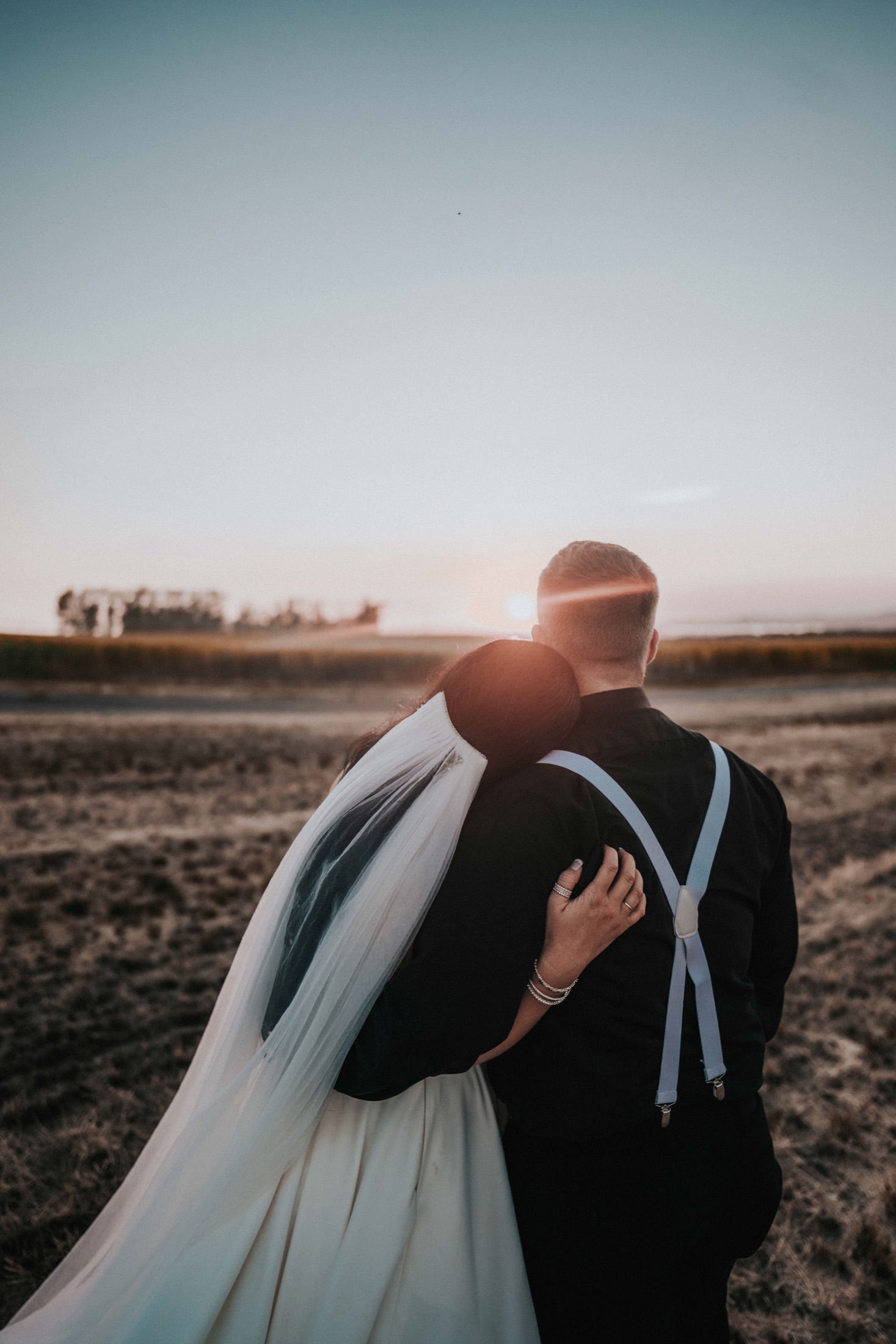
The most consistent thing couples say after an elopement is that the day felt more emotional and more present than they anticipated. Without a guest list and a formal program, the ceremony collapses to its essential weight: two people, a few honest words, the landscape, and the light.
Plan for a ceremony of 20 to 40 minutes and a portrait session of 60 to 90 minutes. At any natural location, build in flexibility. A marine layer that softens the morning light at El Matador. A desert sunset that arrives 20 minutes later than the weather app predicted. The conditions that feel like complications in the moment often become the frames you return to most.
Bring the permit paperwork. Bring water, especially in the desert. And consider what you want to do after the session ends: a private dinner, a coastal drive, a room with a view. The hours after the ceremony are often when the fullness of the day settles in, and a thoughtful plan for that time extends the experience beautifully.
If you are ready to start planning your California elopement, we would love to hear about your vision.
Photo and film, one team, across Southern and Central California. Share your date and we will send your full pricing guide within 48 hours.
Start your inquiryNot sure where to start? Take the 2-minute readiness check·See how we cover elopements